
The Vermont Walk/Bike Summit is a biannual event, bringing together planners, advocates, and experts in our community to learn and connect. This year, the Summit took place on Friday, May 8th in Bennington. All day long, Summit attendees joined in workshops on safe and healthy communities, economic development, and the built environment.
Richard Amore, Programs Director:
Last week’s Vermont Walk Bike Summit in Bennington was energizing and grounding. It celebrated real progress. It was especially impressive to see the work underway in Bennington to make the community safer and more connected for walking and biking. From multi-use paths and sidewalk connections to the Ninja Path, the town is building a real network. These connections link neighborhoods to schools, downtown, and community spaces. Housing along the trail shows a clear commitment to people-centered development. The new skate park along the path adds energy and life. These are smart, visible investments in walkability and bikeability. They strengthen community and support local vitality. 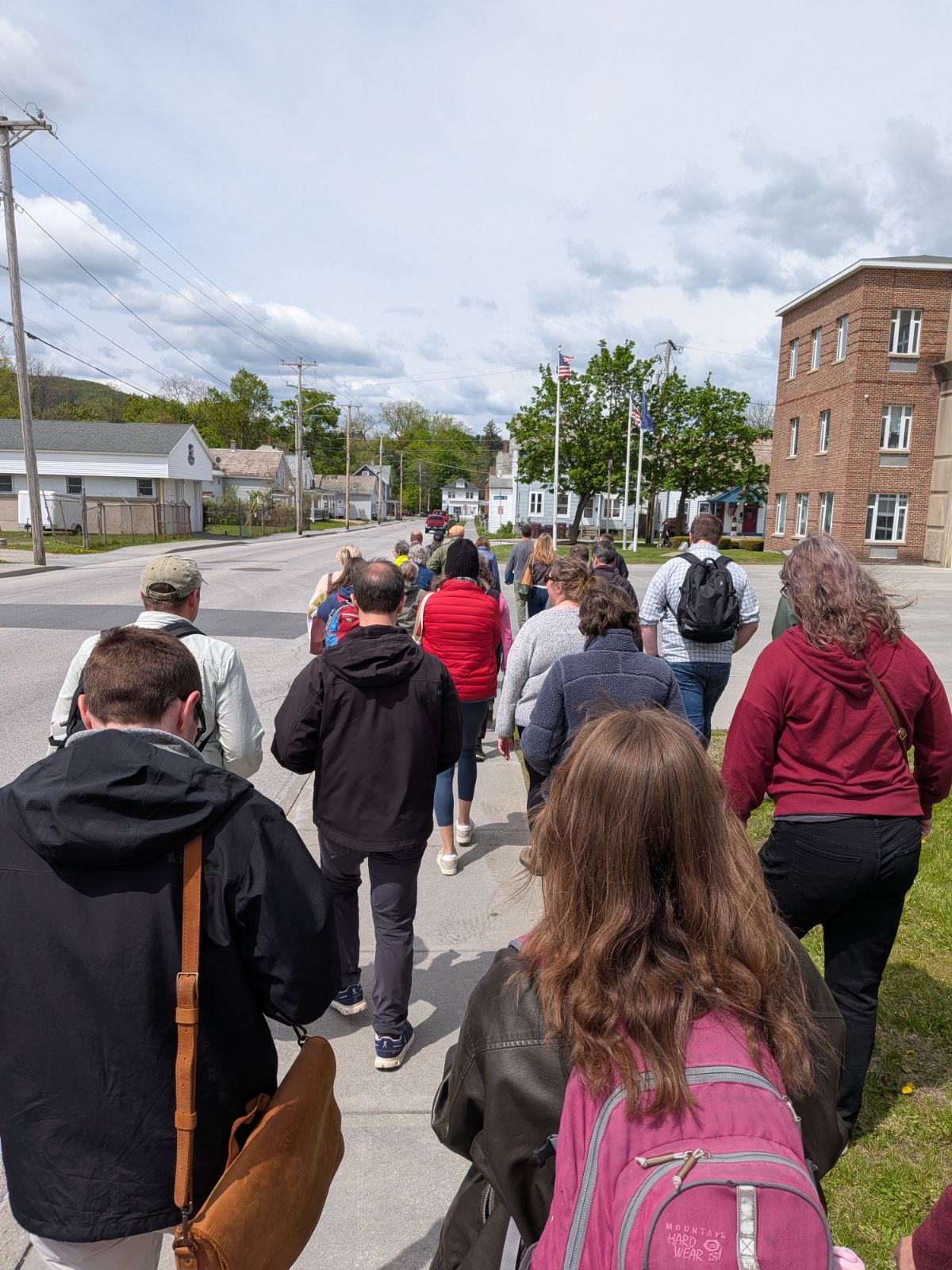 The day also felt like an old home day. A chance to reconnect with friends, partners, and colleagues committed to this work across Vermont.
A highlight was the walk audit with Mark Fenton. It was a powerful reminder. Walk audits bring people together. They help us see the built environment clearly and talk about what needs to change. They surface barriers. They spark ideas. They lead to near-term action while building momentum for long-term investment. They are one of the most effective community engagement tools we have. This is core to Local Motion’s work with towns, schools, and partners across Vermont. The Summit reinforced a simple truth. We need more of this. More walk audits. More community voices shaping safer streets. As William H. Whyte reminded us, sidewalks are the rivers of life. Investing in them strengthens mobility, connection, and community. That felt more true than ever in Bennington.
Jack Evans, Complete Streets Specialist:
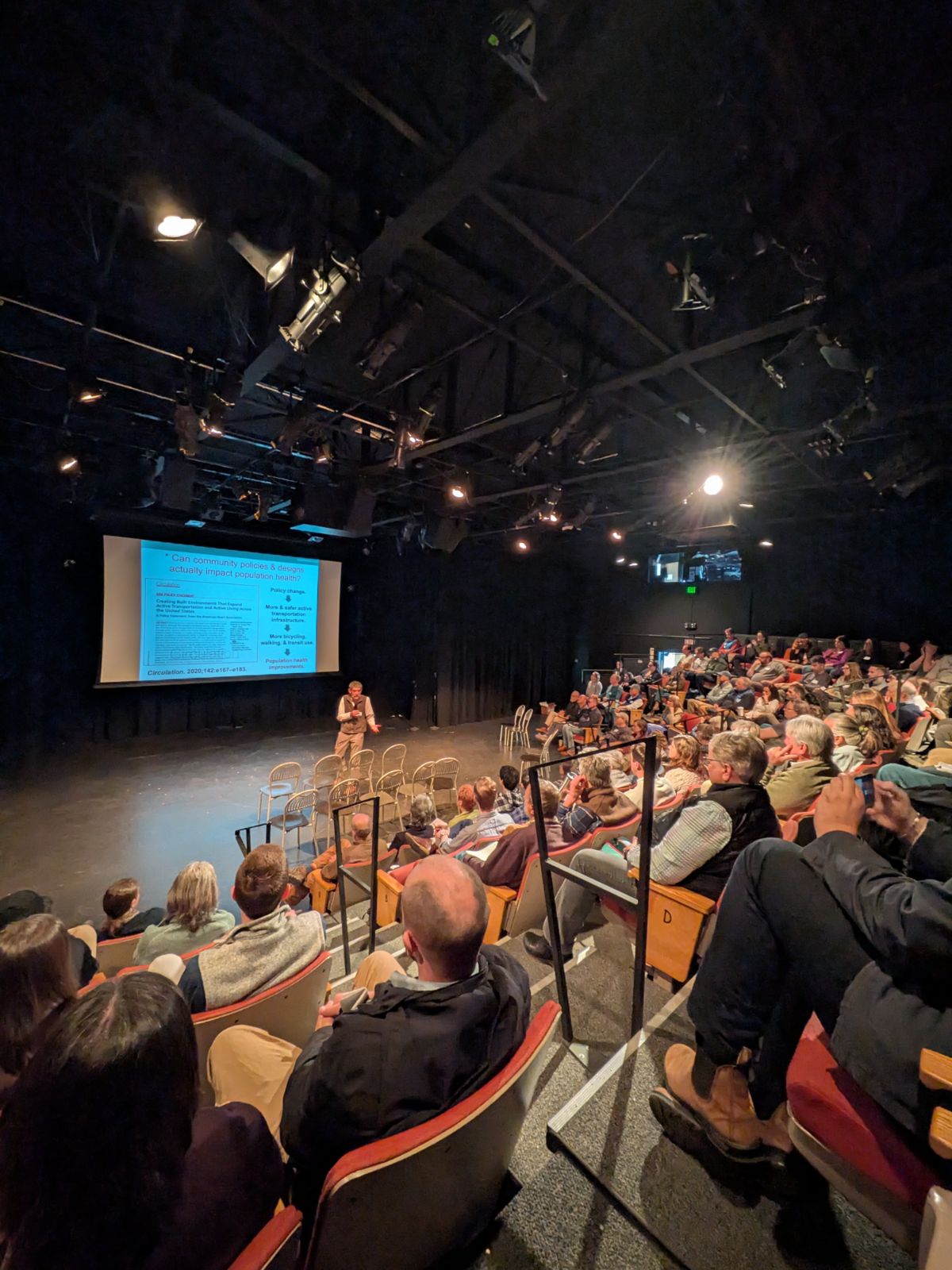
Mark Fenton's presentation set the tone for the entire day, and one idea in particular stuck with me: the case for quick builds.
When a community identifies a problem, governments too often default to a 5- or even 10-year implementation timeline, which not only slows progress to a glacial pace, but discourages residents from engaging when solutions feel so disconnected from the problems they raised. The alternative isn't to abandon long-range planning, but to pair it with rapid interventions using quick-build materials that can last weeks or years. Demonstration and pilot projects allow us to improve safety and accessibility now while we iterate, adjust, and gradually implement a permanent solution. Local Motion already helps communities try new designs, build community support, and improve safety with our Pop Up trailer, but we could be doing so much more throughout the State.
Every session after that, I found myself coming back to the same thought: how different could our transportation system look if we adopted that approach by default and responded to safety concerns in a matter of weeks instead of a matter of years?
Marcie Gallagher, Complete Streets Specialist:
At this year’s Walk Bike Summit, I was given the opportunity to team up with the Vermont Natural Resources Council (VNRC) to present on Smart Growth - or, in other words, the idea that land use and transportation are intrinsically connected; that what we build and where we build it shapes how people travel. We broke into small groups to discuss funding sources and community organizing, emphasizing the potential that every individual has to make changes in their community, and sharing concrete resources that can help make it happen.
It was really exciting to be able to combine VNRC’s expertise on land use and protecting natural resources and with Local Motion’s on-the-ground work to create safe and accessible active transportation connections - not to mention doing so gave me the opportunity to collaborate with my sister, who happens to be VRNC’s Sustainable Communities Program Director! It’s so special to have a whole day dedicated to bringing our different experiences together to collaborate on making walking and biking more safe, accessible, and fun for all.
Daniel Liguori, Outreach and Logistics Supervisor:
Vermont’s active transportation space is run by small local teams that make big things happen. Given that these dispersed groups are rarely able to interface with each other beyond collaborative projects, it is always a joy to attend the biannual Walk Bike summit, which brings all those passionate folks together in one place. From sessions covering bringing historic buildings into compliance with ADA to connecting the state’s growing rail trail network, I was inspired by the passion and drive shown by folks to keep such projects moving forward, despite all the challenges of the current moment.
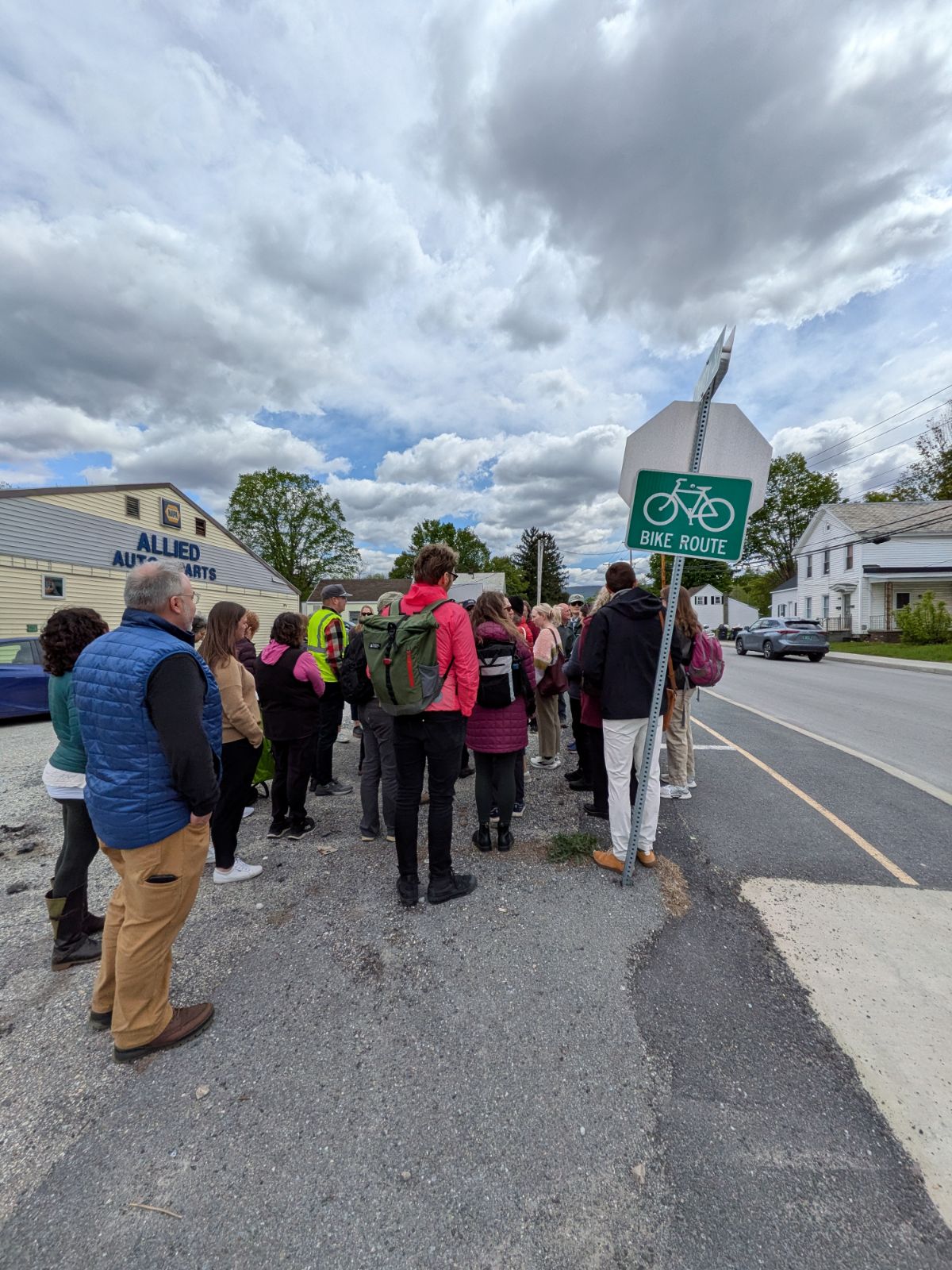
I grew up in the Netherlands, which folks often consider to be a Bike Utopia. While the bike infrastructure there sure is impressive, the Dutch have had far fewer barriers to push through to achieve this goal. Imagine if Vermont didn’t have any hills, wetlands, or snowy winters (and had about 40x the population in the same amount of space) - it sure would be easier to get paths built, but it would also be a far less beautiful place. This theme also reappears in adapting our historic buildings to the needs of the community, to preserve Vermont’s beauty while simultaneously improving its accessibility. To witness firsthand how advocates, engineers, and planners from across the state leap across these barriers to continue to make the state better for everyone walking, biking, and rolling was, and always will be, a great privilege.
Val Cyr, Communications Specialist:
The Walk/Bike Summit was a long day that began at 4 am for a long carpool from the office in Burlington, straight down Route 7 to the bottom of Vermont. Thankfully Mark Fenton, keynote speaker and former speed-walk racer, started our day with an inspirational talk. Immediately following, he led an equally energized walk audit around the town of Bennington. I appreciated that it was a moving conversation, discussing the intention of infrastructure design versus the lived reality.
 The final workshop that I attended was run by Dave Cohen, on the ecopsychology of transportation: How We Move on This Land and Why That Really Matters. It’s strange to think about where our bodies exist when seated in a car, related to the world around us. Dave showed pictures drawn by children who were driven to school every day next to pictures from those who bike or walk, and the difference is stark. I continued to think about this lesson on my way home, as I returned to Burlington by bike. The drive down to Bennington had taken less than three hours and was mostly a blur. The ride back took two days, which allowed me to really witness the way Vermonters live in rural communities. I mostly avoided Route 7 and kept to the quiet gravel roads, passing many farms and sugaring operations. Moving by car, I was only a viewer. On my bike, moving at a slower pace, I have so many more opportunities to connect with both the natural environment and communities along my route.
Celebrating Walk/Bike Excellence
One of the highlights of the summit was the opportunity to celebrate the people and projects moving Vermont forward.
The Walk/Bike Volunteer Award went to Kati Gallagher and Duncan McDougall for their work on the Waterbury Center Better Connections project. This award honors the importance of everyday Vermonter’s stepping up to advocate for better infrastructure in their community and volunteering their time to make that happen. Kati and Duncan worked together to organize meetings, host walking tours, and build community momentum for long-term improvements to one of Vermont’s most popular destinations. Their approach of broad collaboration and focus on big ideas and quick wins is a model for grassroots advocacy across the state.
The Walk/Bike Professional Award honored Dan Monks, the Town Manager for Bennington. Dan has dedicated decades to advancing walking and biking infrastructure locally—including the Bennington Rail Trail which required 24 years of planning, bureaucratic hurdles, and complex negotiations with the railroad. Add to that the Kocher Drive Path, the Orchard Village–Willowbrook Path, and consistent improvements to Bennington's sidewalk network, and you have a career defined by patient, persistent leadership.
The Notable Project Award recognized Essex Junction’s Connect the Junction project, championed by Chris Yuen, Community Development Director. The city’s newly adopted Transit-Oriented Development plan sets a compelling vision for a more walkable, bikeable, and transit-connected community. This vision is quickly becoming reality with ambitious projects to support active transportation and transit already underway. Essex Junction is a clear front runner in setting transformative visions and taking clear strides to realize them.
Congratulations to the winners of all three awards, and to all of the professionals and volunteers who are helping to make their communities safer, better connected, and more accessible for everyone.