
This op-ed was written by UVM student Aimee Byrne as part of a public communications service learning project.
As a student at the University of Vermont in Burlington, walking and biking is a big part of my daily life as well as my friends’ and it's an integral way for us to travel around the city and visit places like classes, jobs and friends' homes. As much as I enjoy using my feet and my bike to travel, it's also important for me to feel safe while traveling without a car through the city.
This is where Complete Streets comes in. Complete Streets is a simple concept: design the street for all people, not just cars. Young people, older people, people with disabilities, cyclists, walkers, bus riders and drivers should all be able to move safely and comfortably. For people in Vermont who rely on active transportation, Complete Streets is not just a trend in urban planning, it's a necessity (Chittenden County Regional Planning Commission, n.d.)
Local Motion, a statewide nonprofit located in Burlington, has been a major supporter of this initiative. Their mission goes beyond promoting cycling, but works to build communities where active transportation is the easiest, safest, and most enjoyable choice (Local Motion, n.d.). Using educational programming, safety training and working directly with municipalities, Local Motion has shown what a connected and vibrant Vermont could be.
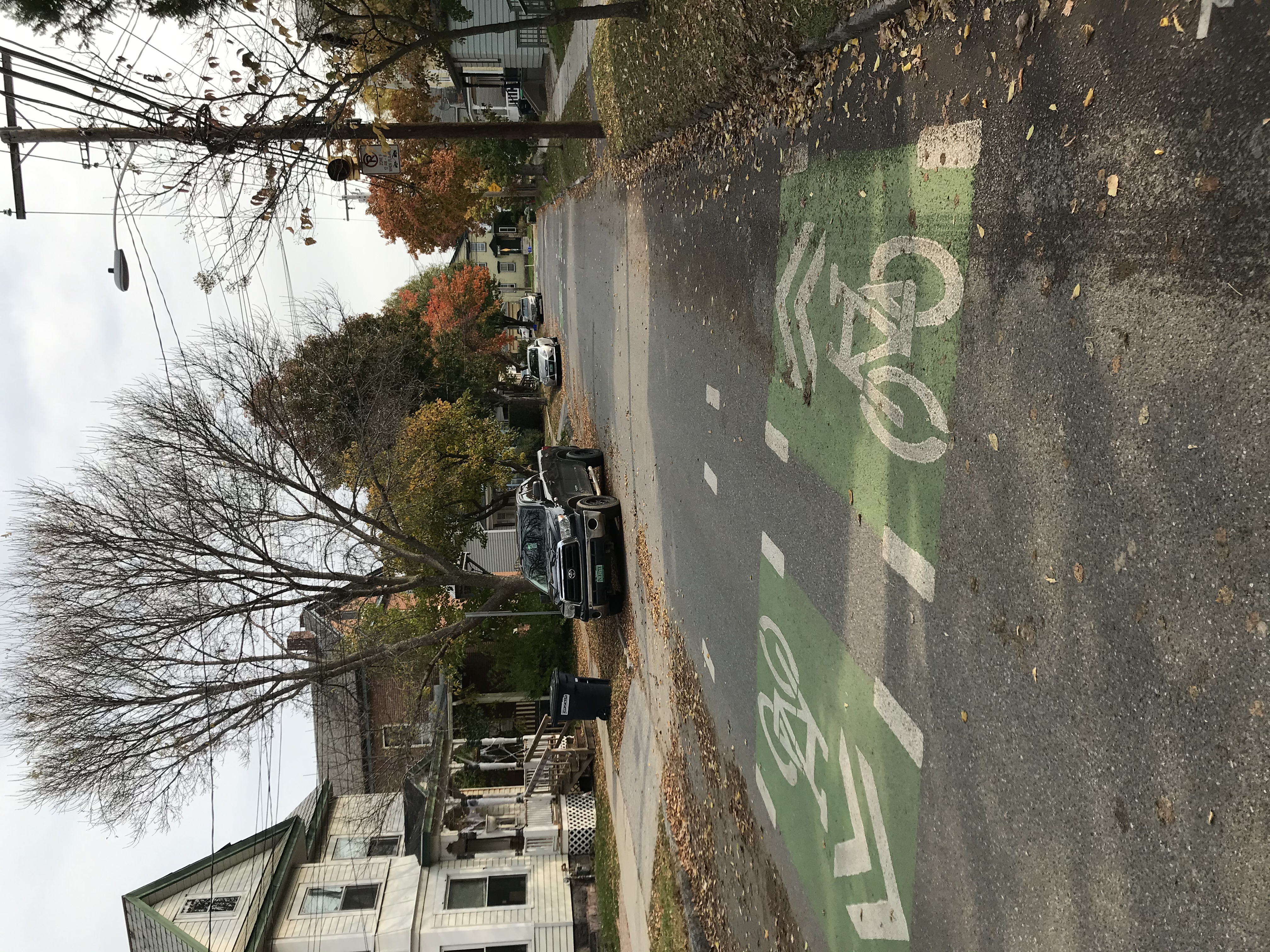 A good example of this work can be seen through their efforts on developing Burlington's bike infrastructure. They have advocated for protected bike lanes that provide protection to bicyclists such as physical barriers, separate bike lanes and bike-intersection designs that consider human life. Developing protected bike lanes is not just creating a safer way to ride a bike; it creates a city that supports more active transportation, provides a boost to local businesses, cleaner air and fosters a sense of community among residents.
Complete Streets also have a measurable health effect. According to the Vermont Department of Health, walkable, bike-friendly communities increase physical activity levels, decrease chronic diseases and contribute to overall mental well-being (Vermont Department of Health, 2015). For students trying to manage the stress of school and work-life, having access to safe areas to walk or bike is critical to supporting a healthy lifestyle. A blocked sidewalk or an under-designed intersection does not just slow people down, it discourages them from engaging in healthier behaviors.
Just as Complete Streets positively affect public health, they positively affect the economy as well. When streets are designed with people in mind, they support the development of more lively commercial districts. When people are out of their vehicles and walking/biking they are more likely to stop, linger and spend money locally. Burlington's Waterfront and Church Street Marketplace is just one example of how designing for people, not cars, contributes to financial success. Expanding this mindset across the city would mean more thriving neighborhoods instead of just a few pockets of walkable space (Smart Growth America, n.d.).
Lastly, there is the issue of climate. Vermont has set aggressive emission reduction targets but still relies on cars as its sole form of transportation, which contributes heavily to the amount of greenhouse gas emissions being produced. But supporting active transportation is one of the easiest ways to reduce emissions while enhancing the quality of life for thousands of people. Smart Growth America lists Complete Streets as a viable climate solution, particularly in smaller cities where short-distance trips are the norm (Smart Growth America, 2023).
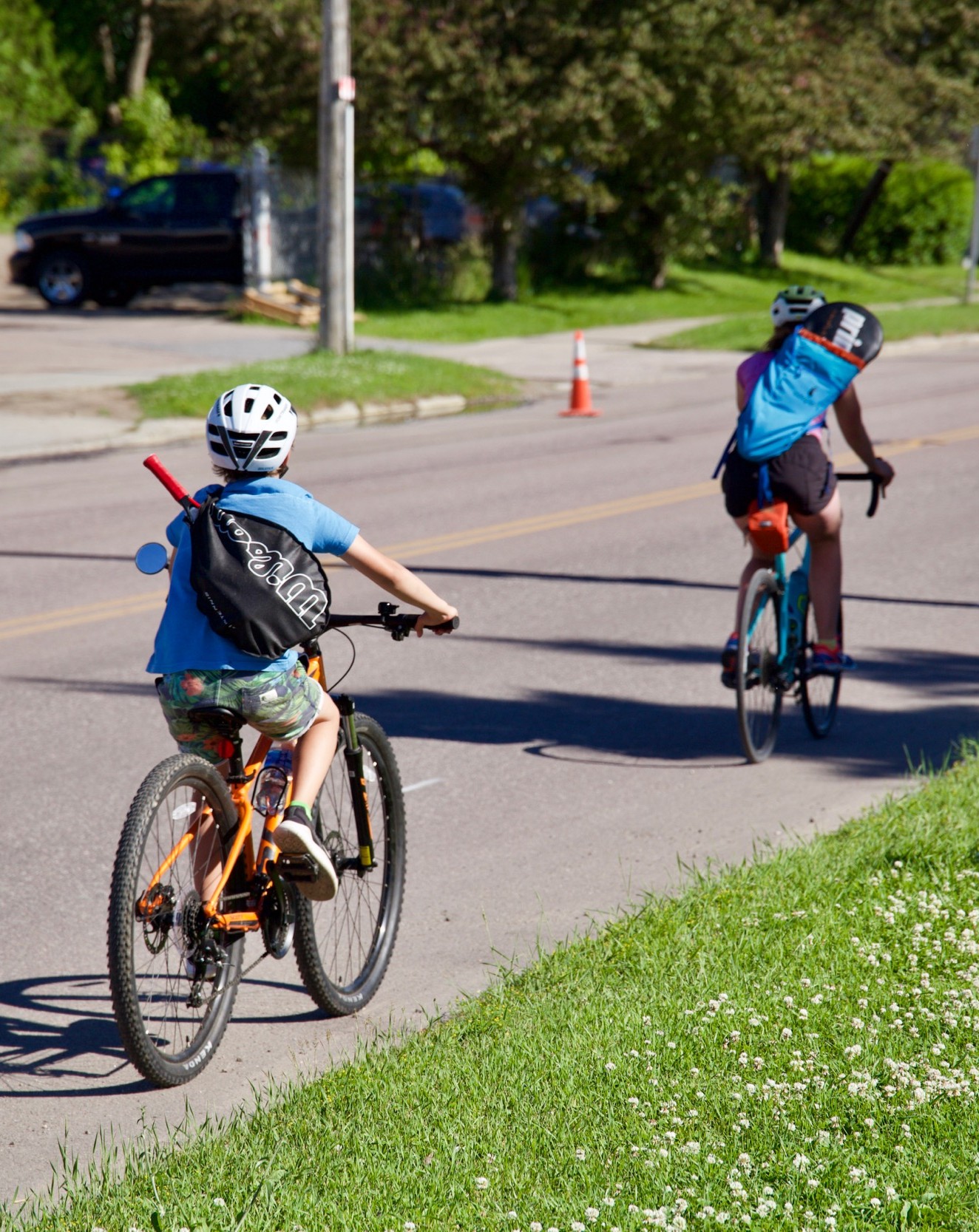 While there are numerous positive aspects to Complete Streets, progress is typically slow. Projects are often delayed, watered down or opposed by those concerned with losing parking spaces or increasing traffic. Those concerns are understandable, however, they fail to recognize that the cost of failing to improve infrastructure to ensure safety is much greater than the inconvenience of change. Each time a bicycle rider is injured, each time a pedestrian has a near-miss experience at a crosswalk, each time a student decides to avoid biking because they fear injury represents a failure in infrastructure design, not a failure of one's individual responsibility.
In order to achieve the Burlington and Vermont we desire, we need to enthusiastically accept Complete Streets. This requires speeding up safety enhancements, listening to the voices of people who use the streets regularly and making long-term decisions that prioritize the needs of people over cars. It requires recognizing that safety is non-negotiable and cannot be compromised by convenience or risk.
As a community, we should expect and advocate for streets that reflect the values of our community: health, sustainability, equity and connection. Burlington is a city filled with people moving around by buses, on foot and/or by bike, not just in cars. We deserve streets that reflect that reality and with Local Motion at the forefront of this effort, we can realize a future that includes Complete Streets.